
REVIEW: ‘Sense and Sensibility’ is a worthy remake that isn’t afraid to show its feelings
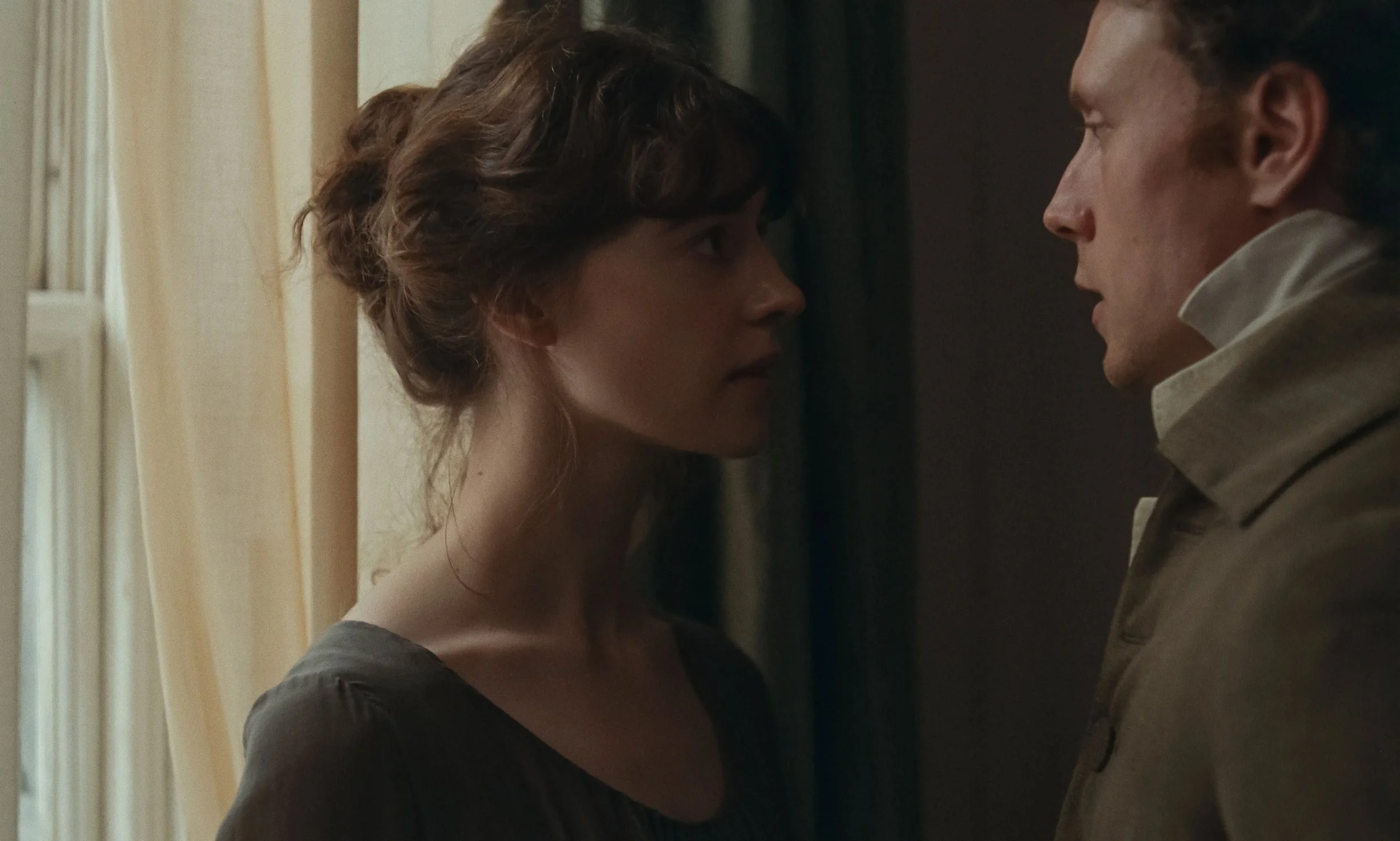
Daisy Edgar-Jones and George MacKay star in Sense and Sensibility, directed by Georgia Oakley.
There’s a valid question that comes up for remakes of beloved movies: are they needed at all? For comic book adaptations, it’s a fair play, since the designs and tones of comics are always changing. For something as commercial as Harry Potter, it’s also understandable; a studio can’t say no to dipping into that well. But what about Jane Austen? The author certainly has diehard fans, and her works have been adapted many times over the years, both as movies and as TV shows. Is there value in making a new screen version of a novel like Sense and Sensibility, when it was already adapted with great success by Emma Thompson and Ang Lee over 30 years ago?
Georgia Oakley’s new film makes the case that the world does need a new take on the story. Now, I’m no Austen-phile, and my experience with the author’s works begins and ends with movie adaptations like Autumn de Wilde’s Emma from 2020, Whit Stillman’s Love and Friendship from 2016, and Lee’s Sense and Sensibility from 1995. Yes, that means I’ve never seen a single adaptation of Pride and Prejudice! But maybe it also means I’m more unbiased than some viewers might be, for whatever it’s worth.
In any case, I screened the 1995 version for the first time only a few weeks before Oakley’s film hit theatres, and now both versions are fresh in my mind. So tighten your bonnets, because the new version is better.
For all the charms of Lee’s film (helped in no small part by Thompson’s Oscar-winning screenplay and her own performance as Elinor), there’s a certain staginess and lack of chemistry between many of the characters. In a way, the film mirrors the criticism that Kate Winslet’s Marianne lodges against her sister, Elinor: the movie keeps its emotions so bottled up that it’s hard to engage with it. Hugh Grant and Thompson play their characters more like acquaintances than as potential lovers, until the big reveal at the end. You could argue that’s more in keeping with Elinor’s no-nonsense personality, but it’s not the most thrilling or relatable thing to watch.
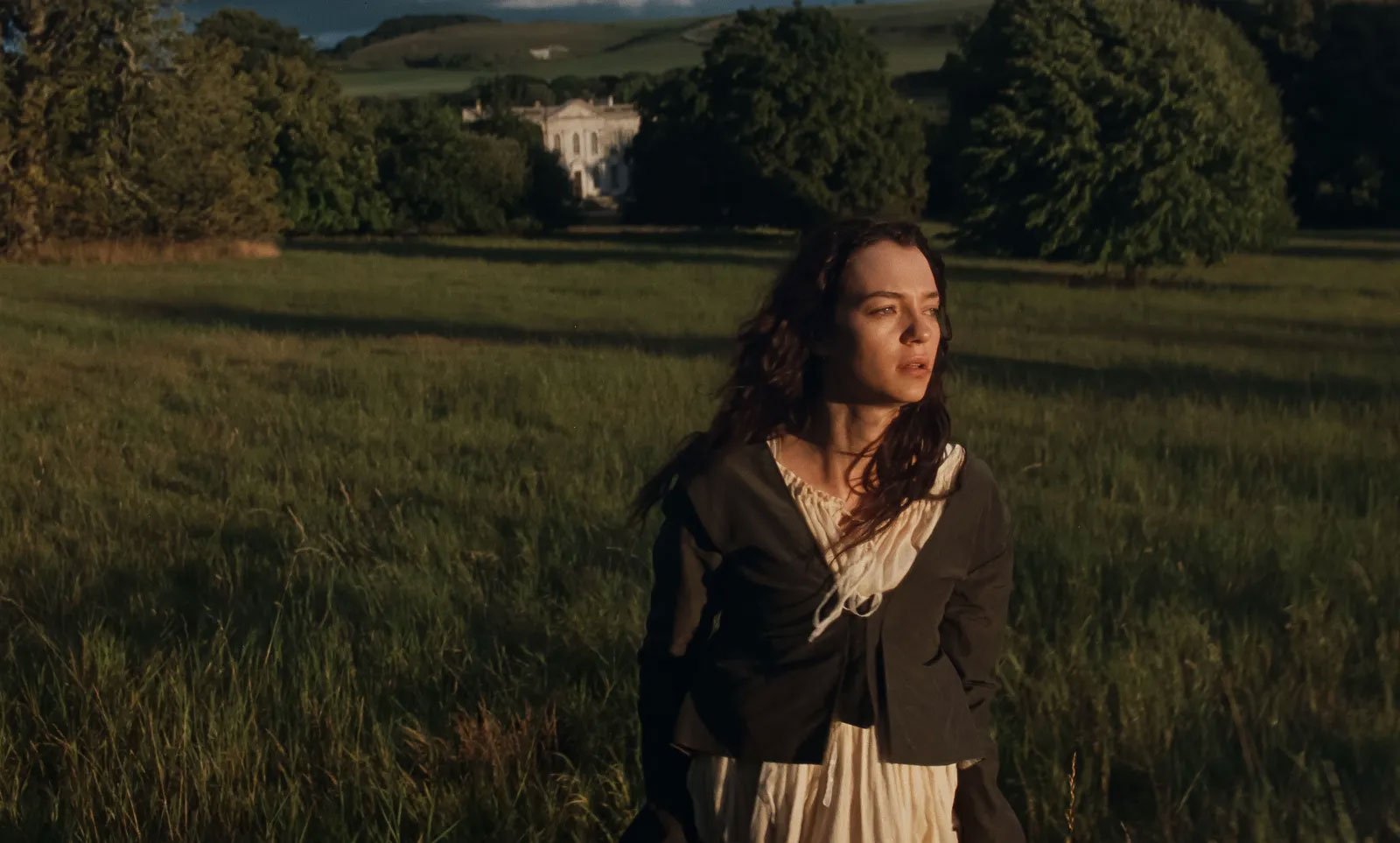
Esmé Creed-Miles as Marianne Dashwood.
If the 1995 film mirrors Elinor, then perhaps the 2026 release mirrors Marianne. Marianne is depicted in both adaptations as a young woman who wants to be swept off her feet by passion, never hiding her emotions. As portrayed by Daisy Edgar-Jones and George MacKay, the newest Elinor Dashwood and Edward Ferrars show a much more palpable sense of longing when they’re together. Crucially though, it doesn’t feel overwrought or unearned. Edgar-Jones comes across as a woman desperately trying to cram her feelings for Edward in a little box that’s in danger of bursting open. Whereas the 1995 film is mannered and polite, the 2026 film is wilder and freer.
That carries over to other production elements, like the cinematography. Arnaud Potier’s camera is sometimes handheld and loosely bouncing as characters tramp through the wilderness. There are more closeups of faces and objects, and even a POV shot when Marianne is disoriented during a storm in the third act. The score, too, incorporates some compelling instrumentation and vocal choices in key moments. And the set design and locations reinforce the believability of the plot, with the Dashwoods moving from their stately aristocratic house to a properly rustic cottage, unlike the “cottage” in the earlier film that still looked like the kind of luxurious house many viewers would love to own.
If you wanted to be grumpy, you could argue that these changes are merely the work of a Millennial director (Oakley was born in 1988), making a version of Sense and Sensibility for less inhibited, modern tastes. But the durability of Austen’s work as a source material is approaching Shakespeare at this point – the stories stick around, regardless of their age, and there’s value in updated takes on it that align with new viewers, who maybe haven’t seen the earlier adaptations. It’s impossible to know which version Austen herself would prefer, so we might as well mould her classic writings to the ahem, sensibilities of the times they’re adapted in.
Sense and Sensibility gets three and a half stars out of four.

Stray thoughts
Excellent casting choices all around: Turlough Convery brings a Hagrid-like joviality to Sir John Middleton, Herbert Nordrum’s Norwegian accent comes through a bit as Colonel Brandon, giving him a more unknowable quality. And Frank Dillane’s Willoughby looks like a more punchable version of Taylor Kitsch.
This version was shot on film, suggesting that the financiers had a lot of faith in the project to go with a more expensive format.